How I Called 2026's Biggest Rally | Vincent Delaurd
PT52M52S
PT52M52S
PT1H5M42S| Metric | Observed | Expected |
|---|---|---|
| Views | 12,355 | 14,341.5 |
| Likes | 439 | 477 |
PT47M32S| Metric | Observed | Expected |
|---|---|---|
| Views | 9,958 | 14,341.5 |
| Likes | 272 | 477 |
PT1H1M34S| Metric | Observed | Expected |
|---|---|---|
| Views | 12,249 | 11,880 |
| Likes | 429 | 427 |
PT53M2S| Metric | Observed | Expected |
|---|---|---|
| Views | 5,147 | 11,880 |
| Likes | 135 | 427 |
PT53M21S| Metric | Observed | Expected |
|---|---|---|
| Views | 14,438 | 10,814 |
| Likes | 496 | 390.5 |
PT48M5S| Metric | Observed | Expected |
|---|---|---|
| Views | 23,835 | 10,814 |
| Likes | 730 | 390.5 |
PT51M46S| Metric | Observed | Expected |
|---|---|---|
| Views | 11,351 | 10,814 |
| Likes | 378 | 390.5 |
PT52M48S| Metric | Observed | Expected |
|---|---|---|
| Views | 11,276 | 10,814 |
| Likes | 368 | 390.5 |
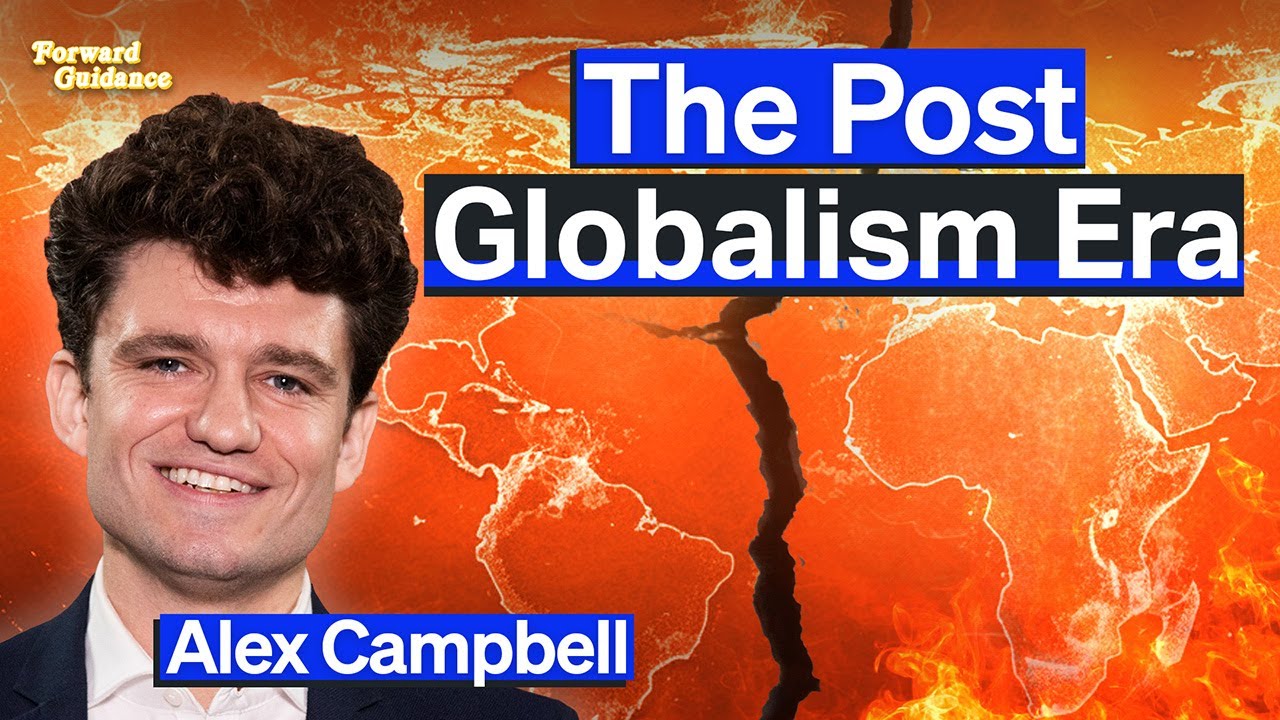
Alex Campbell, founder of Rose AI and former head of commodities at Bridgewater, explains why he remains bullish on silver, how the death of globalism is driving resource nationalism and regional hoarding of critical metals, and why the rapid acceleration of AI compute is reshaping supply‑chain dynamics. He argues that the mismatch between AI demand and available compute, coupled with a shift toward decentralized, local AI models, creates both significant investment opportunities and heightened geopolitical risk over the coming decade.
PT53M29S| Metric | Observed | Expected |
|---|---|---|
| Views | 12,281 | 10,814 |
| Likes | 437 | 390.5 |
The episode breaks down how a surge in defense budgets, aggressive protectionist policies and a narrowing U.S. trade deficit are creating powerful tailwinds for commodities and cyclicals, positioning them as the “mega‑cap tech” of 2026. The hosts argue that this macro backdrop is driving a pronounced rotation out of the over‑valued Mag‑7 stocks toward metals, industrials and other resource‑heavy sectors, while the steepening yield curve and modest rate‑cut expectations reinforce the shift.
PT1H2M30S| Metric | Observed | Expected |
|---|---|---|
| Views | 11,344 | 10,814 |
| Likes | 321 | 390.5 |
.In this episode, Andy Constan contends that the next wave of economic expansion will be driven by private‑sector credit creation rather than Federal Reserve balance‑sheet growth, as massive AI, data‑center and on‑shoring investments depend on banks willing to lend. He explains how money, credit, and risk interact, why banks now need a pull‑based demand for loans, and how this shift could shape growth and inflation in the years ahead.
PT36M35S| Metric | Observed | Expected |
|---|---|---|
| Views | 13,413 | 8,505 |
| Likes | 477 | 280 |
In this episode, Tony Greer shares insights on market trends and potential winners for 2026, highlighting the shift from semiconductors to metals and analyzing the bull market dynamics under the current administration. He discusses strategies for trading breakouts while emphasizing the importance of staying informed and flexible in investment approaches, particularly regarding precious metals and emerging sectors.
PT49M45S| Metric | Observed | Expected |
|---|---|---|
| Views | 22,145 | 8,514 |
| Likes | 669 | 280 |
In this episode, Warren Pies discusses his market outlook, projecting the S&P 500 will reach 8,000 by early 2026, while maintaining it will remain fairly valued without entering a recession or experiencing an inflationary boom. He characterizes this period as a "Goldilocks" economy, emphasizing the need to monitor the delicate balance of growth and inflation as we approach the mid-2026 market landscape.
57:55| Metric | Observed | Expected |
|---|---|---|
| Views | 18,047 | 8,534 |
| Likes | 560 | 280 |
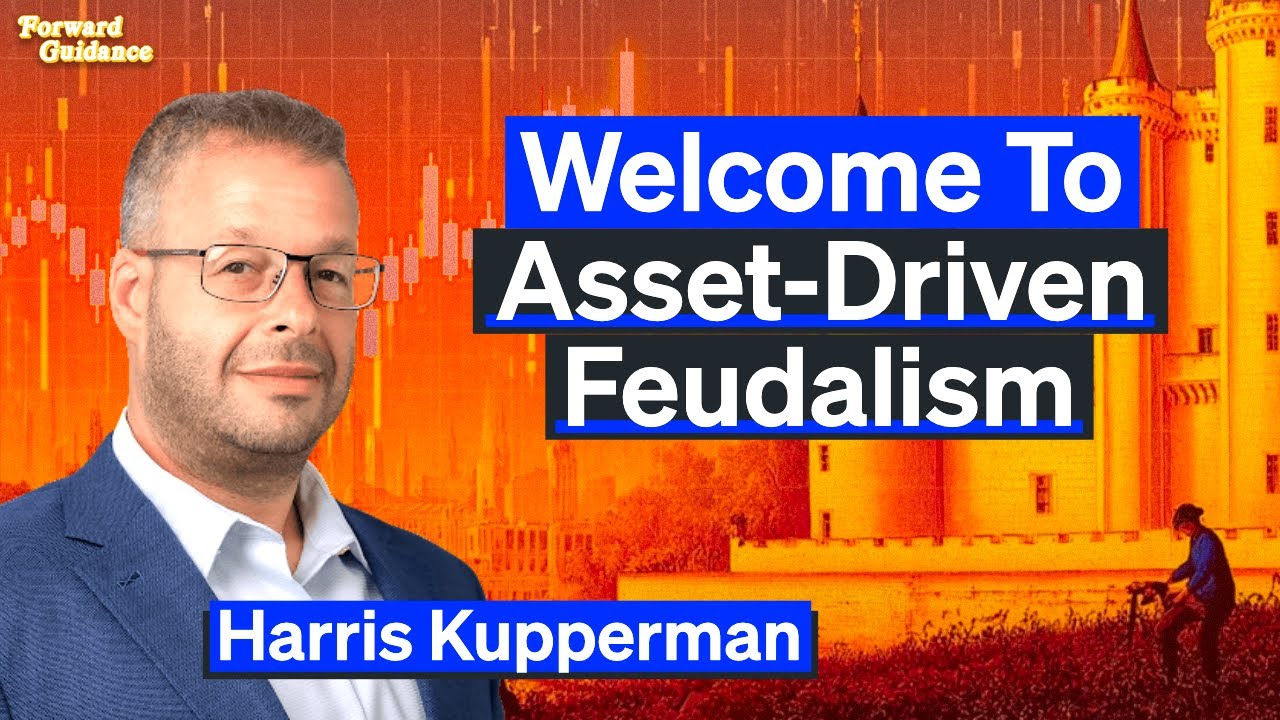
In this thought-provoking episode, Harris Kupperman discusses how the current economy prioritizes asset holders over the working class, leading to widespread suffering for 90% of the population. He explores the implications of this "asset feudalism," where the interests of the wealthy dominate economic policy, and questions the potential for real change in the future.
51:34| Metric | Observed | Expected |
|---|---|---|
| Views | 7,974 | 8,543 |
| Likes | 227 | 281 |
In this episode of Market Radar, the hosts examine the current market dynamics as they transition from a risk-off to a slowdown regime, highlighting the challenges in identifying clear trends and the impact on major assets like Bitcoin and gold. They discuss how growth impulses have recently bottomed out and the implications for upcoming market movements, emphasizing the importance of navigating this uncertain environment with strategic caution.
58:46| Metric | Observed | Expected |
|---|---|---|
| Views | 13,317 | 8,574 |
| Likes | 503 | 281 |
In this week's roundup, the discussion centers on the Federal Reserve's recent pivot towards a "run it hot" strategy as Powell approaches the end of his tenure, highlighting the implications for fiscal policy and asset selection amidst uncertain economic conditions. The hosts analyze the potential for increased rate cuts and the necessity of owning hard assets while navigating a shifting political landscape as the midterms approach.
44:33| Metric | Observed | Expected |
|---|---|---|
| Views | 8,825 | 8,577 |
| Likes | 284 | 281 |
In this episode of "Forward Guidance," Keith Dicker discusses the current state of the global economy, emphasizing the reliance on perpetual stimulus from central banks like the Fed to maintain market stability. With equity markets at all-time highs and a job market that is cautiously stable, Dicker explores how these factors influence investment strategies in an era where traditional value investing is losing relevance.
1:00:13| Metric | Observed | Expected |
|---|---|---|
| Views | 11,079 | 8,630 |
| Likes | 403 | 283 |
In this week's roundup, the hosts discuss the troubling state of the small business sector, where negative job growth signals a recession, while large-cap tech companies continue to thrive, creating a discrepancy in the economy. They explore the implications of prolonged inflation, central banking policies, and how the dynamics of monetary policy and consumer behavior are shaping the financial landscape.
53:45| Metric | Observed | Expected |
|---|---|---|
| Views | 5,917 | 8,697.5 |
| Likes | 183 | 283 |
In this episode, Aahan Menon explores the complexities of the current U.S. economy, touching on wealth and asset distribution issues while emphasizing the impact of AI capital expenditure on corporate profits and macroeconomic dynamics. He highlights the nuanced relationship between nominal growth versus real consumption and potential recession forecasts, encouraging a targeted approach to investment amidst contrasting economic indicators.
56:41| Metric | Observed | Expected |
|---|---|---|
| Views | 11,828 | 11,413.5 |
| Likes | 388 | 394.5 |
In this episode of Forward Guidance, the hosts discuss the ramifications of AI's rapid advancement on the labor market and the economy, highlighting potential government interventions to support Main Street in light of rising unemployment and recession concerns. They also analyze market dynamics surrounding the Federal Reserve’s policies and explore how AI-related investments may evolve in the near future.
55:13| Metric | Observed | Expected |
|---|---|---|
| Views | 30,643 | 11,413.5 |
| Likes | 1,197 | 394.5 |
In this episode of Forward Guidance, Jordi Visser discusses the transformative impact of artificial intelligence on the economy, emphasizing that AI's potential demands an infinite investment in intelligence across industries. He contrasts the current AI buildout with historical tech trends, arguing that this time the financial backing comes from robust, experienced players, setting the stage for unprecedented innovation and potential deflationary effects driven by exponential growth and efficiency gains.
1:01:30In this week's roundup, the hosts delve into the complex relationship between AI capital expenditures and the Federal Reserve's current hawkish stance, highlighting how market reactions hinge on the Fed's forward guidance and upcoming economic data. With Nvidia's strong earnings providing a temporary boost, they analyze the implications for liquidity, credit markets, and the broader economy, while warning of potential risks as the Fed navigates its monetary policy decisions.
51:46In this episode of "For Guidance," the discussion focuses on the importance of cross-border capital flows and their impact on public market liquidity, as opposed to traditional Fed interest rate cuts. The hosts analyze how these factors shift investment landscapes and emphasize the need for strategic positioning in today’s evolving macroeconomic environment.
51:12In this Weekly Roundup episode, the hosts analyze the current economic landscape, highlighting the Fed's hawkish pivot amidst rising credit stress and a K-shaped recovery in America. As inflation concerns mount and financial conditions tighten, the conversation shifts towards the implications of these factors for the market, emphasizing the divergence between sectors and the potential risks ahead.
1:02:20In this insightful podcast episode, Victor Haghani, co-founder of Long-Term Capital Management and CEO of Elm Wealth, shares his journey from hedge funds to advocating for index fund investing, highlighting the importance of risk management and tax efficiency in personal finance. He discusses key lessons learned from his experiences, particularly around the pitfalls of leverage and the need for a structured approach to investment sizes based on expected returns and risk.
51:27In this week's roundup, the discussion revolves around America's deteriorating two-tier economy, highlighting the stark contrast between declining Main Street businesses and booming tech sector earnings. As the administration grapples with stagnation and recession in key economic areas, the political landscape reflects growing frustrations from everyday Americans amid rising wealth disparity and ineffective fiscal policies.
1:10:17In this episode of Empire, the Blockworks team discusses significant shifts in the industry landscape, including the tough decision to shut down their news division while emphasizing a transition toward a data-focused business model. As they reflect on past successes and the evolving nature of crypto journalism, they outline a bullish outlook for the next two decades, indicating a historical moment akin to the internet boom of the early 2000s.
55:58In this episode, the hosts discuss the Federal Reserve's recent hawkish rate cut and its implications for the economy, likening the current financial landscape to a "Hunger Games" scenario where large institutions dominate. With a focus on market structure and liquidity, they analyze the Fed's signals and the shifting dynamics of public and private investments amid a backdrop of corporate earnings and economic uncertainty.
58:27In this episode, Lyn Alden discusses the implications of increasing fiscal deficits and the potential return to a period of quantitative easing by the Federal Reserve, asserting that despite varying perceptions of economic health, the fiscal component remains a significant force affecting the economy. Alden emphasizes the disconnect between macroeconomic indicators, such as PMIs and nominal GDP growth, and the everyday experiences of individuals, particularly in light of changing labor market dynamics and ongoing government policies.
1:08:51In this Weekly Roundup episode, the hosts delve into how financialization has reshaped American markets, initiating a retreat from equity into private debt, and the resulting distortions in economic growth. Joined by guest Hunter Hopcraft, they explore the implications of this shift, including reduced access to capital for traditional businesses and the long-term consequences for innovation and industry diversity.
31:49In this video, Matt Hougan discusses the rising institutional demand for cryptocurrency, particularly highlighting the surge in ETF flows and broader acceptance among traditional financial institutions. He expresses optimism about the future of crypto assets and the innovative ETF structures that are set to transform the market dynamics, emphasizing that interest in stablecoins and other assets is rapidly increasing.
37:01In this week's roundup, the discussion centers around the global liquidity cycle and its impact on hard assets like gold, which is anticipated to surpass $10,000 an ounce due to rampant money debasement by governments. The panel explores how understanding capital flows informs asset allocation, the unique dynamics between macroeconomic trends and liquidity movements, and the implications for investments amid shifting economic policies.
33:50In this video, Jeff Park discusses the recent massive liquidation in the crypto space and its implications for retail investors, emphasizing a potential shift toward higher-quality assets such as Bitcoin. He introduces the concept of the "purification trade," suggesting that this transformation could lead to a more intentional approach to wealth building within the cryptocurrency ecosystem.
3:42:56Join us for a live episode from the Digital Asset Summit in London as our hosts dive into the latest developments in the crypto market, including recent market volatility and the impact of geopolitical events. Featuring insights from Obby Felman and discussions on Bitcoin, altcoins, and the effects of liquidity, this episode offers a comprehensive overview for crypto enthusiasts and investors alike.
57:47In this weekly roundup, the discussion centers around the potential for a significant market rally leading to a blow-off top, supported by factors like low Fed funds rates, high fiscal deficits, and a booming AI capital expenditure landscape. The hosts also touch on the implications of a government shutdown, market volatility, earnings expectations, and the strategic dynamics of trading amidst these conditions.
56:43In this video, George Robertson asserts that a recession has already commenced, driven by aggressive fiscal tightening under the Trump administration, which includes significant corporate tax increases due to tariffs. He emphasizes the importance of monitoring real-time economic data, notably the daily Treasury statements, to gauge the economy's health, warning that current market optimism may be misplaced as indicators suggest an impending downturn.
55:25In this week's roundup, market analysts discuss the potential impact of a government shutdown, bullish economic signals, and the ongoing shift in economic dynamics leading into Q4. They also highlight the upcoming Blockworks Digital Asset Summit and the implications of recent labor market data, hinting at a potential surge in tech and crypto markets despite economic uncertainty.
21:06In this insightful episode, Amy Oldenburg of Morgan Stanley discusses the potential for growth in emerging markets as global dynamics shift away from U.S. dominance. She explores the role of stablecoins in these markets, emphasizing their significance for unbanked populations and the influence of technological innovations on financial systems worldwide.
1:07:37In this week's roundup, the hosts discuss whether the economy is experiencing a reacceleration or a growth scare, highlighting the divergence between the stock market and labor market dynamics. They also delve into upcoming Federal Reserve rate cuts, the impact of high-income earners on economic growth, and the potential implications of recent market trends and government policy changes.
27:21In this insightful discussion, Arthur Hayes explores the political and economic implications of ongoing money printing, predicting a potential “debt doom loop” as governments strive to maintain their current capital structures amidst rising technological impacts like AI. He offers a critical analysis of how these dynamics might influence the cryptocurrency market, particularly highlighting the resilience of Bitcoin and the evolving landscape of decentralized finance and stablecoins.