Trump Just Crashed Bitcoin - What You Need To know
PT11M
PT11M
PT11M7S
PT11M17S
PT13M48S
PT12M10S
PT14M28S
PT13M58S
PT16M10S
PT14M20S
PT9M49S
PT15M55S
PT10M34S
PT15M19S
PT14M47S
PT17M19S
PT9M45S
PT17M10SThe video outlines a alleged U.S. strategy to keep China from surpassing the United States as the world’s largest economy—by raising China’s energy costs, engineering deflation and throttling exports—to preserve the dollar’s reserve‑currency status, noting that the BRICS bloc’s apparent strength depends on China’s roughly 70 % share. It warns that if China falls into deflation by 2026 the U.S. could maintain economic dominance, and it invites viewers to a free investing program linked in the description.
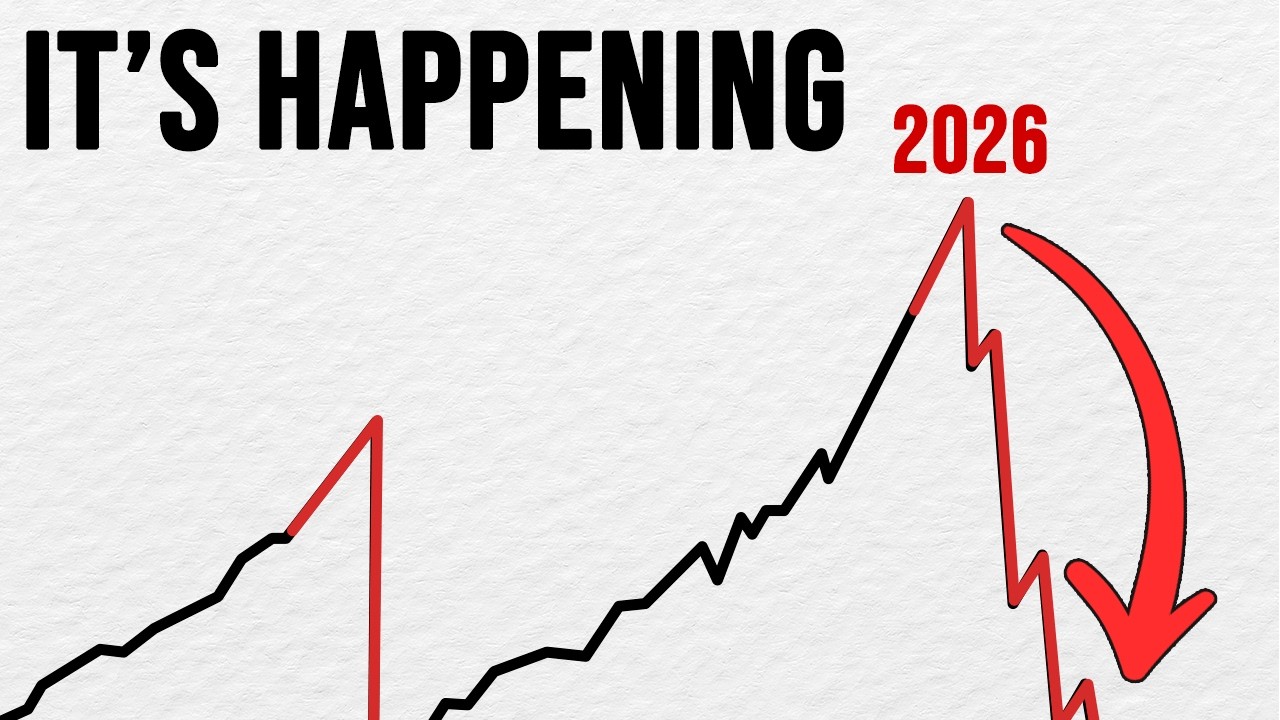
PT11M16SThe video reviews the S&P 500’s 18% gain in 2025 and argues that 2026 will likely see even higher stock prices, driven by massive U.S. government spending, continued quantitative easing, a deliberately weakened dollar, aggressive stock‑buyback programs, and Trump’s trade‑balancing policies. It also highlights geopolitical shifts that could funnel global wealth into U.S. markets and invites viewers to join an exclusive investing community for recommended stock picks.
PT15M31SI’m ready for your instructions—just let me know what you’d like me to do!
PT18M53SIn this video the creator reveals the exact strategy he’d use to start investing from zero in 2026—first establishing a clear financial purpose and a four‑month emergency fund, then allocating his portfolio primarily to stocks (25% Nasdaq‑100 ETF, 25% S&P 500 ETF, 25% hand‑picked growth stocks and 25% cash for opportunistic buys) while avoiding debt, commodities and crypto and emphasizing long‑term capital appreciation over short‑term hype. He also stresses the importance of realistic expectations, staying focused on a few asset classes, and provides a free investing course to help beginners implement the plan.
PT12M1SThis video breaks down Donald Trump’s $200 billion plan to buy mortgage‑backed securities, explains how MBS demand sets mortgage rates, and evaluates how much the move could realistically lower those rates. It then warns that the artificial demand could spark a housing bubble reminiscent of the 2008 crisis, urging anyone considering a home purchase to act quickly while rates are temporarily depressed.
PT43M17S.The video contends that the post‑World War II financial framework that gave the United States a trade surplus, cheap borrowing and global dominance is collapsing—evidenced by soaring trade deficits, rising debt, and other nations increasingly bypassing the dollar. It warns that the Trump administration’s pull‑out from international institutions marks a transition to a new world order that will raise living and borrowing costs, diminish U.S. economic power, and urges viewers to position themselves for profit amid this shift.
PT15M44SThe video breaks down Donald Trump’s announcement to prohibit corporate investors from purchasing single‑family homes, showing how Wall Street’s cash‑rich buying has inflated prices, limited supply, and contributed to the current housing affordability crisis. It then evaluates whether this move could trigger a market collapse, explains the deeper supply‑demand and regulatory factors behind the shortage, and outlines possible next actions such as easing zoning rules and launching a large‑scale new‑construction program.
PT20M34SThe video explains how the U.S. government, under Trump, is buying large stakes in critical‑minerals, semiconductor, AI and energy companies—such as MP Materials, Intel and Nvidia—to reduce reliance on China, but warns that this massive intervention could create market distortions and set the stage for a future stock‑market crash. It advises investors to be cautious, avoid hype‑driven purchases, monitor signals of a government exit, and only consider buying these stocks after thorough valuation.
PT12M35SVenezuela's economy has shrunk by about 80% since 2012 as plummeting oil revenues and chronic hyperinflation—peaking at over 436% annually—have devastated living standards, turning the once wealthier nation into a heavily import‑dependent, state‑controlled crisis. The video argues that a strategic shift toward oil export partnerships and sovereign‑wealth‑style investment, similar to Norway's model, could reverse the decline and offers this as a broader lesson on the importance of disciplined investing.
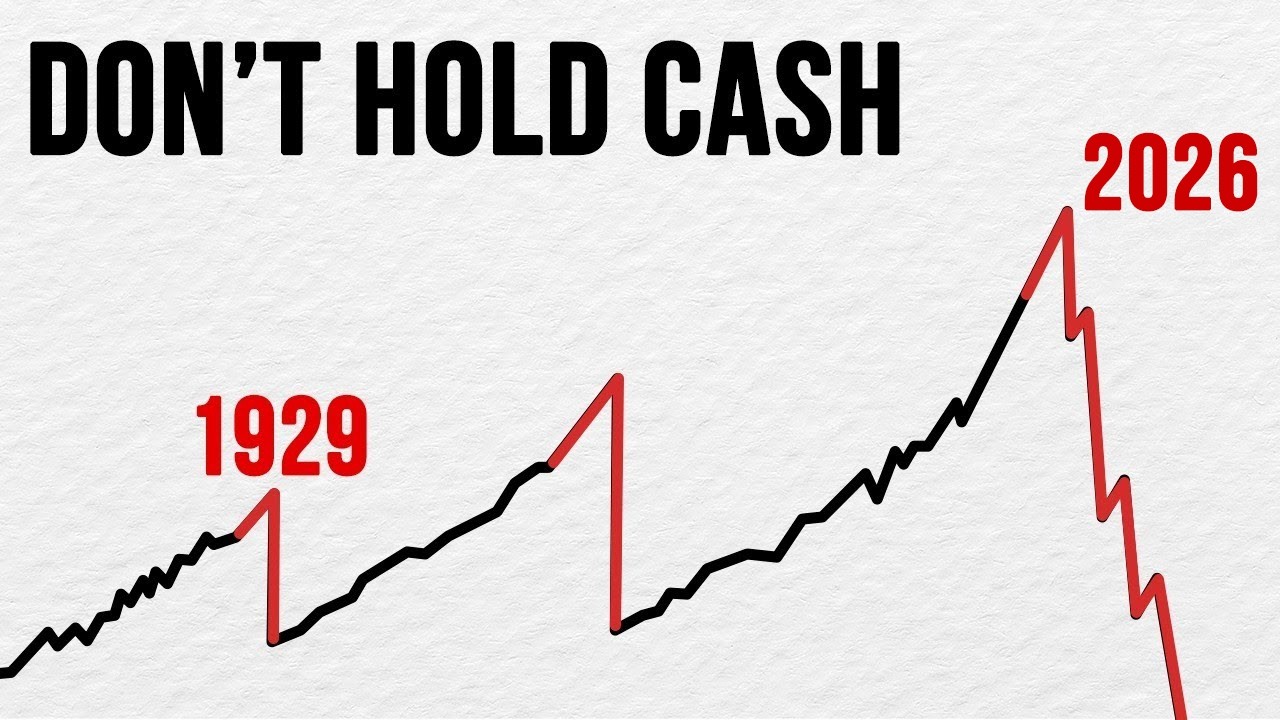
PT14M59S.In this video Ray Dalio warns that the global economy is on the brink of a 1929‑style crash, highlighting how a weakening U.S. monetary leadership, mounting debt, protectionist policies, and the rise of AI mirror the tumultuous dynamics that led to the Great Depression and a reshaped world order. He argues that while the coming crisis could be severe, it also creates a once‑in‑a‑lifetime investment opportunity for those who understand the shifting financial landscape.
PT16M10Stwo sentences.The video explains how the United States, confronting an imminent oil shortfall and a surge in manufacturing and AI‑driven electricity demand, is pursuing control of Venezuela’s heavy‑oil reserves to keep its legacy refineries operating, lower energy prices, and counter China’s growing reliance on Venezuelan oil. It also outlines the resulting market effects—potentially cheaper oil, lower Treasury yields, and new stock‑picking opportunities—and encourages viewers to access a free investing guide linked in the description.
PT14M22SIn this video the creator explains how President Donald Trump’s policies have devalued the U.S. dollar by roughly 10‑12% against major currencies in the past year—driving up gold prices, making imports costlier, and eroding Americans’ savings and purchasing power—while drawing parallels to past U.S. devaluations under FDR, Nixon, and Reagan. The analysis also forecasts that the dollar could weaken further through 2026 to boost domestic manufacturing and exports, urging viewers to protect their wealth by shifting into assets such as gold and high‑growth stocks.
PT14M1SThe video details how the United States' soaring national debt, quantitative easing, and artificially low Treasury yields are draining the Social Security trust fund, putting future benefits for the middle class at risk. Using current data and projections, it shows that the $2.7 trillion fund could be exhausted by the early 2030s, forcing drastic cuts or other emergency measures.
PT13M39Sdescription.China’s recent export restrictions have driven silver prices from under $50 to around $80, but the hype is fueled by fear of supply shortages and past cycles of rapid rise and fall, making a direct silver purchase risky. Instead, the video recommends focusing on sector‑linked winners such as AI‑driven chipmakers and technology firms that benefit from higher silver demand, offering a smarter way to capture the upside.
PT11M34STrump’s massive tariff escalation—rising from 10% to over 125%—failed to cripple China’s economy, as Beijing swiftly redirected its exports to Southeast Asia, the EU and other partners, keeping its trade surplus above a trillion dollars and maintaining dominance in rare‑earths, lithium‑ion batteries and high‑tech goods. By contrast, the tariffs inflated US consumer prices, hurt farmers and added billions in interest costs to the US debt, while delivering only a modest boost to the stock market that mainly benefits the wealthiest investors.
PT10M39SThis video explains how a Trump‑backed effort to seize Venezuela’s heavy‑oil reserves could spark a short‑term war, depress oil prices, trigger massive quantitative easing, and create the market conditions the presenter believes will push gold to $10,000 per ounce by 2026. It then invites viewers to join a free private community and access a course that teaches how to profit from gold without buying physical metal.
PT10M49S.The video argues that, even after the Fed lowered its benchmark rate to 3.5%, mortgage rates stay near 6.5% and will become far less affordable by 2026 as quantitative easing pumps up the money supply, pushes house prices higher, and fails to boost demand for mortgage‑backed securities. It warns buyers not to wait for “rate‑cut miracles,” outlines the Fed’s past emergency MBS purchases and the likely impact of future QE, and encourages viewers to start investing now—with a free investment course linked in the description.
PT13M16SIn this video, we explore Donald Trump's ambitious $38 trillion economic plan, which aims to either revive the U.S. economy or risk creating a façade of wealth for Americans. Diving into economic complexities, the discussion highlights the balance between managing national debt and growing GDP, raising questions about the viability and potential risks of such a strategy.