🚨MAJOR BUY: Best Quantum Computing ETF on the Planet 📈
 PT13M31S
May 11, 2026, 1:01 PM•PT13M31S
 PT13M31S
 PT14M48S
 PT19M12S
 PT11M30S
 PT8M4S
 PT10M49S
 PT11M37S
 PT10M43S
 PT12M
PT12M PT13M57S
 PT9M23S
 PT9M18S
 PT13M56S
 PT18M47S
 PT8M53S
 PT34M45S
 PT11M21S
 PT10M7S
 PT16M19S
 PT11M34S
 PT11M18S
 PT10M13S
 PT11M58S
 PT10M22S
 PT22M3S
 PT9M37S
 PT16M25S
 PT11M3S
 PT13M18S
 PT12M27S
 PT20M58S
 PT11M12S
 PT15M33S
 PT10M22S
 PT21M10S
 PT10M37S
 PT10M32S
 PT15M23S
 PT10M18S
 PT11M3S
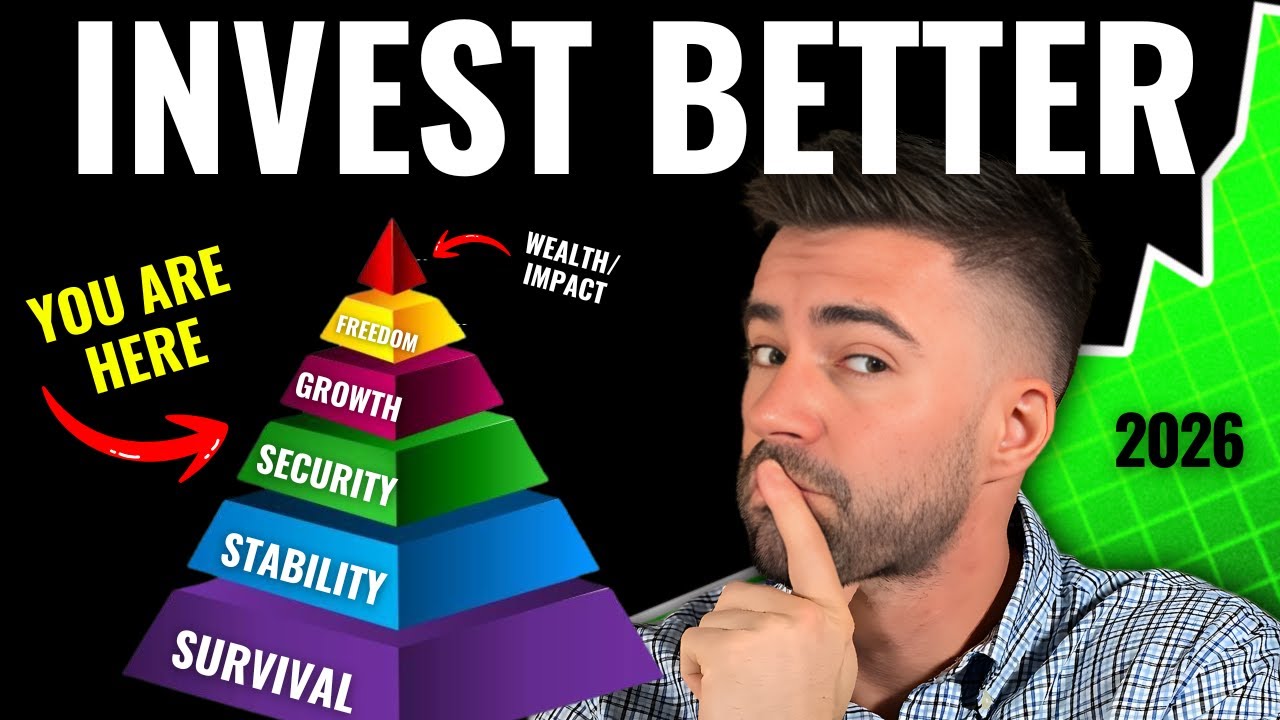
Professor G explains that the most effective portfolio consists of roughly 80 % low‑cost broad ETFs and no more than 10 % individual stocks—ideally three to five carefully researched companies—organized into three to four core ETF categories (such as value/dividend, technology, international, and bonds/commodities) to achieve diversification without unnecessary overlap. He recommends using the free ETFRC dot com overlap checker (and Snowball Analytics for tracking) to consolidate holdings, avoid redundant funds, and keep the total number of ETFs around three to four while balancing any stock positions across sectors.